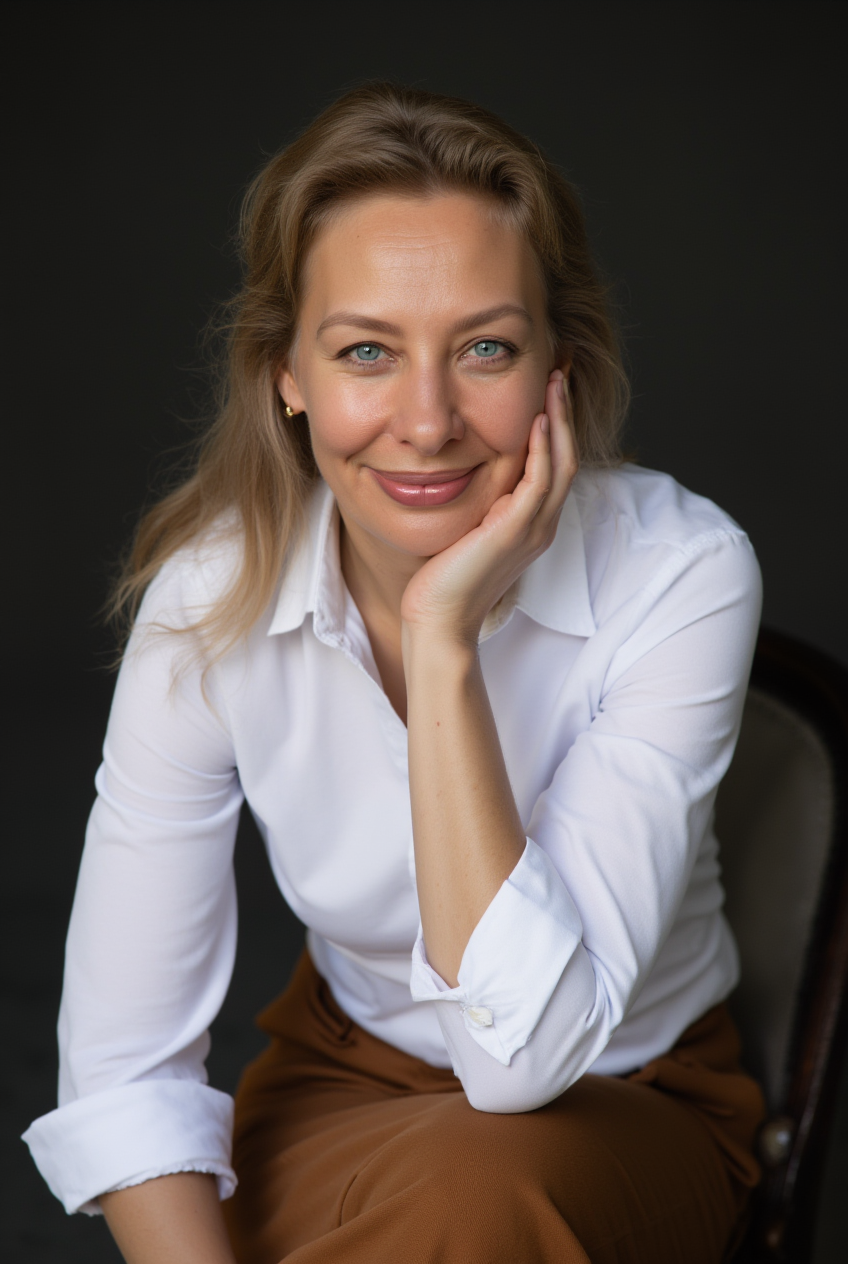
Integrative Mentorship
Using the principles of East Asian Traditions and Neuroplasticity to Re-Imagine and consciously Re-Engineer the way you look, feel and experience life ~ Personal, Professional, and Relational.
Rooted in the wisdom of Daoism and the application of Practical Mysticism, these sessions are designed for those seeking to move beyond the physical and master the art of conscious creation.
This is mentorship for the "inner architect," helping you navigate everyday life and leadership by aligning with the laws of the universe.
Integrative Mentorship
Sessions (In Person and Virtual): $350 (2-hrs)
Navigating the Modern World through Metaphysical Principles
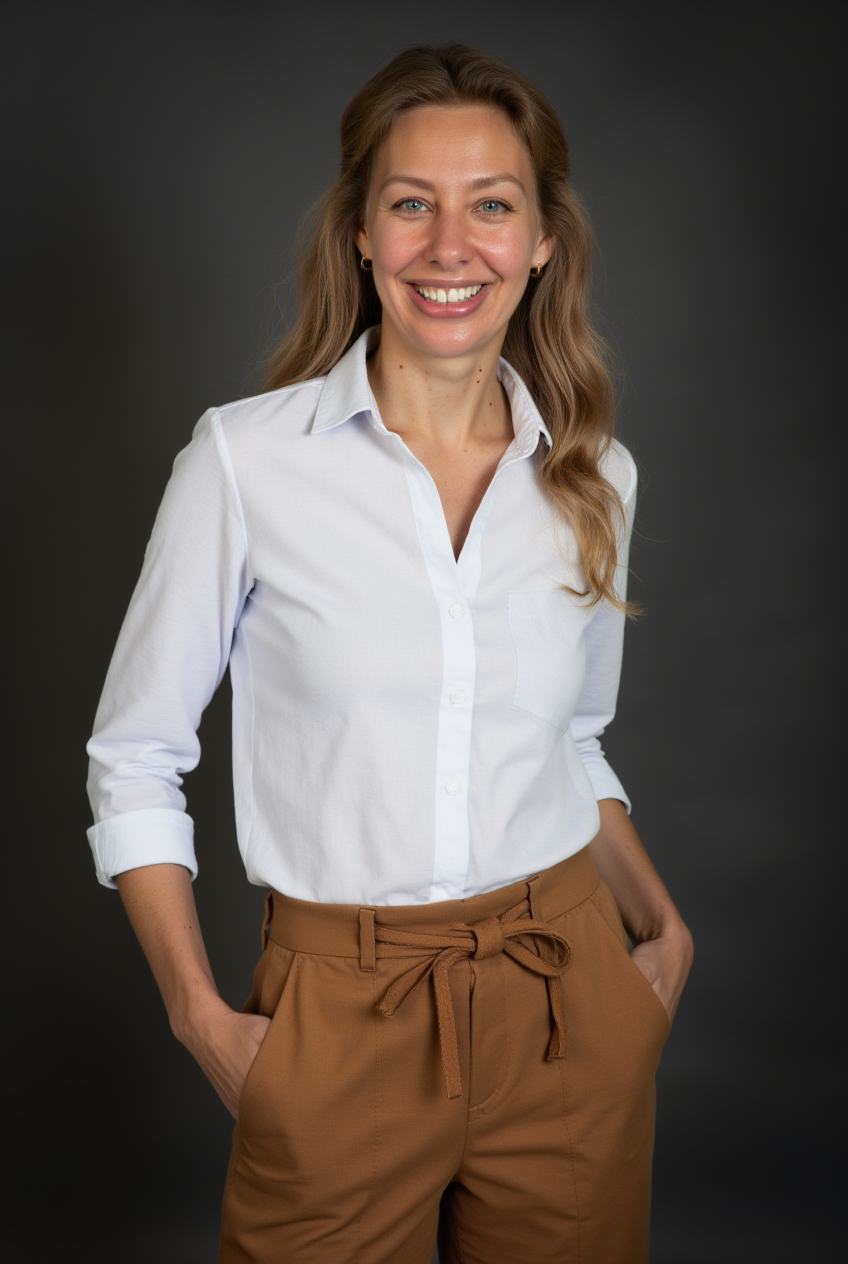
Integrative Body-Centered Therapies
Asian Bodywork Therapy
As a specialist in Asian Bodywork Therapy, I offer a highly personalized experience that bridges the gap between clinical sports medicine and restorative energy work.
The Collaborative Approach: There is no need to choose your modality in advance. We begin each session by assessing your physical, mental, emotional, physiological, and energetic needs. Together, we will design a session using a blend of traditional and contemporary therapies. For those new to Asian Bodywork Therapy, I have included a brief description of different Forms below.
Tuina: An invigorating, movement-based modality ideal for athletes, those recovering from orthopedic injuries, or individuals managing "desk-bound" postural strain and the physical stress of frequent travel. It focuses on physical vitality and structural recovery.
Acupressure: A hands-on method of engaging with your Qi and electromagnetic field. By applying targeted pressure to specific points, we facilitate systemic balance and stimulate the body’s natural healing response.
Shiatsu: A Japanese meridian-based therapy that supports holistic health. It is designed to harmonize mental, emotional, and physical well-being, providing a profound sense of "wholeness."
Clinical Qigong: Supporting the body to enter a state of deep flow.
Summary: Blending advanced training in Sports Medicine Acupuncture and Asian Bodywork Therapy, these sessions offer a sophisticated approach to care. Whether we are focusing on injury recovery or a Nervous System Reset, the goal is to quiet the mind so the body can speak, heal, and restore; supporting integrative alignment and flow states.
Acupuncture
Acupuncture is a modality used to support health and wellness through the stimulation of certain body points (acu-points). Numerous biochemical and neurological mechanisms for acupuncture’s actions have been identified. These include the release of various neurotransmitters and modulation of chemicals that influence pain such as bradykinin, enkephalins, endorphins, dynorphins, Substance P, dopamine, GABA, nitric oxide, and serotonin. Regulation of the activity of pain sensation via Aδ , Aβ and C fibers has been documented, as well as changes in the brain’s processing of information at the neocortical, limbic, and brainstem levels. Acupuncture has been postulated to alter purinergic signaling as well. A primary difference between Acupuncture and Acupressure is the use of pre-sterilized, disposable, filiform needles.
Both forms offer a holistic treatment which incorporates the use of herbs, moxibustion, physical therapies, dietary and lifestyle guidance to restore balance to the body. It is not uncommon to incorporate these East Asian Traditions in conjunction with other forms of care to support healing and rehabilitation after a health crisis, pain syndrome, or emotional trauma.
Acupuncture
~ Body, Mind, Emotions, and Spiritual Transformation
Using East Asian Traditions and Integrative Therapies to help you step back into the flow of your life with an elevated sense of strength, resilience, and resourcefulness.
Tool-Box Includes:
Acupuncture
Asian Bodywork Therapy
Asian Bodywork Therapy (ABT) is the treatment of the human body/mind/spirit, including the electromagnetic or energetic field which surrounds, infuses and brings that body to life, by using pressure and/or manipulation.
Asian Bodywork is based upon Chinese Medical principles for assessing and evaluating the body's energetic system. It uses traditional Asian techniques and treatment strategies to primarily affect and balance the energetic system for the purpose of treating the human body, emotions, mind, energy field and spirit for the promotion, maintenance and restoration of health.
Acupressure
Acupressure is a system of balancing the body's energy by applying pressure to specific acupoints to release tension and increase circulation. The many hands-on methods of stimulating the acupressure points can strengthen weaknesses, relieve common ailments, prevent health disorders and restore the body's vital life force.
Shiatsu
Shiatsu became widely recognized in Japan as a therapeutic approach to manual therapy. “Shiatsu” is a Japanese word which literally translates as “finger pressure.” Shiatsu continues to evolve with various approaches to incorporating traditional Japanese manual therapy, Traditional Chinese Medicine and western anatomy and physiology.
Shiatsu literally means finger (Shi) pressure (Atsu) and although Shiatsu is primarily pressure, usually applied with the thumbs along the meridian lines, extensive soft tissue manipulation and both active and passive exercise and stretching may be part of the treatments.
Extensive use of cutaneovisceral reflexes in the abdomen and on the back are also characteristics of Shiatsu. The emphasis of Shiatsu is the treatment of the whole meridian; however, effective points are also used. The therapist assesses the condition of the patient's body as treatment progresses. Therapy and diagnosis are one.
Tuina
Tuina is a method of Chinese bodywork characterized by the smooth gliding or rolling movements of the hands and arms. Through Tui (push) and na (grasp), kneading, pressing, rolling, shaking, and stretching of the body, acupoints are opened and qi flow is realigned in the musculo-tendon meridians. Tuina techniques are used to treat a wide variety of musculoskeletal and internal organ disorders by opening stagnant meridian channels and encouraging the flow of qi into deficient areas. Tuina utilizes Chinese Medicine theory in assessing energetic and functional disorders. In addition, the use of external herbal medicines and therapeutic exercise is also included.
What is Moxibustion, Cupping, Gua Sha, & Tui Na?
In addition to acupuncture, licensed acupuncturists also use moxibustion, cupping, gua sha, and/or tuina. These adjunctive therapies have been used for over 2000 years. They can be used alongside an acupuncture treatment or alone.
Moxibustion
Moxibustion involves heat therapy using the mugwort plant (Artemisia vulgaris or Artemisia argyi), also known as “moxa,” to stimulate acupoints. Moxibustion is used for treating many conditions. In a quantitative study of 50 years of bibliometric material, up to 364 types of diseases have been shown to be treated with moxibustion. Moxa is used for digestive, urinary, gynecological/obstetric and orthopedic issues. It has been shown to aid in pain reduction. Moxibustion can be done in a variety of methods – each with different thermal effects. When moxa is lit, it emits visible and infrared electromagnetic waves. This energy is absorbed by the body to promote blood circulation. 21-22
Cupping
Cupping therapy involves the use of a cup or a jar. The World Health Organization (Code 5.3.2) defines the cupping method as a “therapeutic method involving the application of suction by placing a vacuumed cup or jar onto the affected or any part of the body surface.” Cupping is used for many conditions from musculoskeletal pain to cardiovascular issues to early colds and flus. 23-24
Gua Sha
Gua sha is an instrument assisted manual therapy whereby the body surface is compressed with a smooth-edged tool. 25 This therapeutic process intentionally creates petechiae (tiny red or purple dots on the skin) and increases blood flow into the fascia. The “sha” or redness that is created can last up from one day to one week. 26 This technique increases blood flow to local tissues, helps the body activate a local healing response, and assists in the removal of toxins from the tissue (such as by-products of metabolism in areas with myofascial dysfunction). Gua sha has also been shown to reduce internal organ inflammation by upregulating heme-oxygenase-1. It has been shown to produce a four-fold increase in the surface tissue microcirculation, reduce inflammation and stimulate the immune system. Gua sha is used for many conditions ranging from asthma to musculoskeletal pain and spasms. 27
Tuina
Tuina is a school of Chinese manual bodywork therapy. Literally translated as “push” and “grasp,” it is used to promote blood flow, improve function, and enhance resistance to disease. Tuina involves different manipulation techniques for different conditions. 28 Similar to the other therapies described, tuina can be used to treat many types of conditions ranging from musculoskeletal pain to digestive disorders. 29 The use of herbal liniments and oils may be used by the practitioner, depending on the condition presented.
Tuina is a method of Chinese bodywork characterized by the smooth gliding or rolling movements of the hands and arms. Through Tui (push) and na (grasp), kneading, pressing, rolling, shaking, and stretching of the body, acupoints are opened and qi flow is realigned in the musculo-tendon meridians. Tuina techniques are used to treat a wide variety of musculoskeletal and internal organ disorders by opening stagnant meridian channels and encouraging the flow of qi into deficient areas. Tuina utilizes Chinese Medicine theory in assessing energetic and functional disorders. In addition, the use of external herbal medicines and therapeutic exercise is also included.
Medical Qigong, an ancient branch of Chinese Medicine, has existed for several thousand years. Like Acupuncture and Tuina therapies, Medical Qigong is based on the meridian and point theory as well as ancient Chinese philosophy. Medical Qigong refers to a wide series of therapeutic methods, including (but not limited to) breath training, psychosomatic exercises, meditation, and guided visualizations that direct practitioners to create a place of health and balance in their clients. Medical Qigong practitioners are trained in Qi transference and replenishment to be used as a healing art different from self-Qigong exercises taught for personal use.
Qigong
Moxibustion
Cupping
Gua Sha
Reiki
and other Traditional and Integrative Therapies.
In person. Each session is customized for your individual and unique needs.
Sessions (In-Person): $350 (2-hrs)
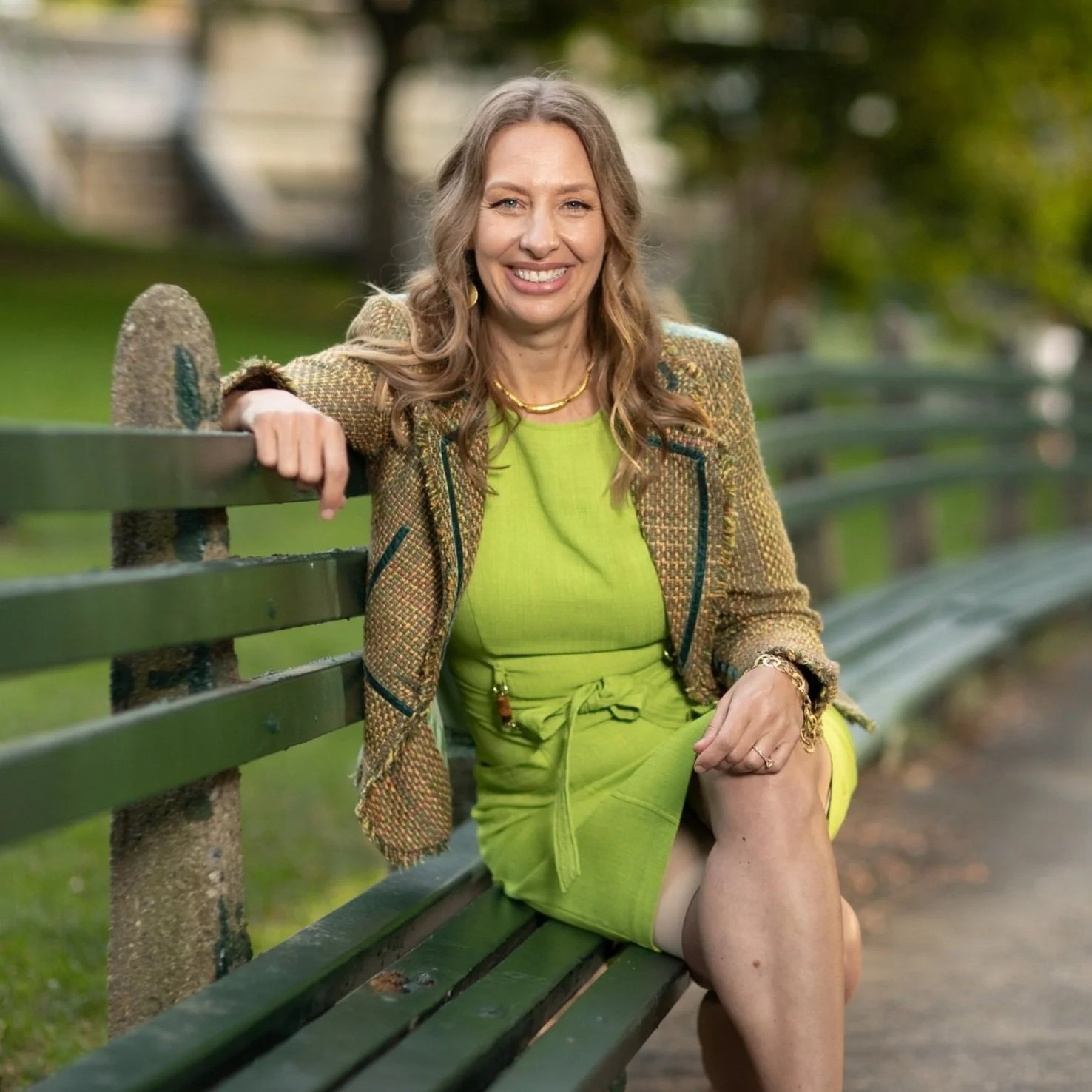
Businesses, Not for Profits, and Schools ~ Professional and Immersive Experiences
Custom designed experiences for businesses, corporations and educational institutions seeking to enhance employee and student wellness offerings. On-site and virtual programs for groups and individuals. Guest speaking, lunch-and-learn, and learning adventures. Please send an email to help me understand your organization and what you are looking to create.
Students ~ Training and Mentorship
Professional Mentorship: Individual and group opportunities, professional classes and training.