Supporting Personal Transformation Inside and Out
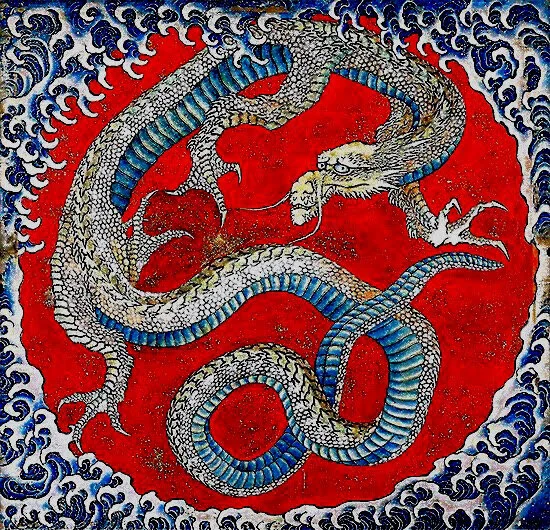
Strong, flexible, and fearless - the Chinese Dragon is a symbol of the wisdom, intelligence, enlightenment, energy, leadership, good fortune, optimism and success.
So much to do, where to start?
Typically people start working with me to address an orthopedic issue as pain is a compelling motivator to make a change. We just want it to stop.
But then when we start to unpack what led to the pain in the first place, the real fun begins.
Individual sessions can focus on one specific issue or treatment approach or it can be a combination of services tailored to your individual and unique needs.
Together we will learn to collaborate as a team to support both short and long-term goals, aspirations and transformations.
Asian Bodywork Therapy
Asian Bodywork Therapy (ABT) is the treatment of the human body/mind/spirit, including the electromagnetic or energetic field which surrounds, infuses and brings that body to life, by using pressure and/or manipulation.
Asian Bodywork is based upon Chinese Medical principles for assessing and evaluating the body's energetic system. It uses traditional Asian techniques and treatment strategies to primarily affect and balance the energetic system for the purpose of treating the human body, emotions, mind, energy field and spirit for the promotion, maintenance and restoration of health.
Acupressure
Acupressure is a system of balancing the body's energy by applying pressure to specific acupoints to release tension and increase circulation. The many hands-on methods of stimulating the acupressure points can strengthen weaknesses, relieve common ailments, prevent health disorders and restore the body's vital life force.
Shiatsu
Shiatsu became widely recognized in Japan as a therapeutic approach to manual therapy. “Shiatsu” is a Japanese word which literally translates as “finger pressure.” Shiatsu continues to evolve with various approaches to incorporating traditional Japanese manual therapy, Traditional Chinese Medicine and western anatomy and physiology.
Shiatsu literally means finger (Shi) pressure (Atsu) and although Shiatsu is primarily pressure, usually applied with the thumbs along the meridian lines, extensive soft tissue manipulation and both active and passive exercise and stretching may be part of the treatments.
Extensive use of cutaneovisceral reflexes in the abdomen and on the back are also characteristics of Shiatsu. The emphasis of Shiatsu is the treatment of the whole meridian; however, effective points are also used. The therapist assesses the condition of the patient's body as treatment progresses. Therapy and diagnosis are one.
Tuina
Tuina is a method of Chinese bodywork characterized by the smooth gliding or rolling movements of the hands and arms. Through Tui (push) and na (grasp), kneading, pressing, rolling, shaking, and stretching of the body, acupoints are opened and qi flow is realigned in the musculo-tendon meridians. Tuina techniques are used to treat a wide variety of musculoskeletal and internal organ disorders by opening stagnant meridian channels and encouraging the flow of qi into deficient areas. Tuina utilizes Chinese Medicine theory in assessing energetic and functional disorders. In addition, the use of external herbal medicines and therapeutic exercise is also included.
Medical Qigong, an ancient branch of Chinese Medicine, has existed for several thousand years. Like Acupuncture and Tuina therapies, Medical Qigong is based on the meridian and point theory as well as ancient Chinese philosophy. Medical Qigong refers to a wide series of therapeutic methods, including (but not limited to) breath training, psychosomatic exercises, meditation, and guided visualizations that direct practitioners to create a place of health and balance in their clients. Medical Qigong practitioners are trained in Qi transference and replenishment to be used as a healing art different from self-Qigong exercises taught for personal use.
Acupuncture is a modality used to support health and wellness through the stimulation of certain body points (acu-points). Numerous biochemical and neurological mechanisms for acupuncture’s actions have been identified. These include the release of various neurotransmitters and modulation of chemicals that influence pain such as bradykinin, enkephalins, endorphins, dynorphins, Substance P, dopamine, GABA, nitric oxide, and serotonin. Regulation of the activity of pain sensation via Aδ , Aβ and C fibers has been documented, as well as changes in the brain’s processing of information at the neocortical, limbic, and brainstem levels. Acupuncture has been postulated to alter purinergic signaling as well. A primary difference between Acupuncture and Acupressure is the use of pre-sterilized, disposable, filiform needles.
Both forms offer a holistic treatment which incorporates the use of herbs, moxibustion, physical therapies, dietary and lifestyle guidance to restore balance to the body. It is not uncommon to incorporate these East Asian Traditions in conjunction with other forms of care to support healing and rehabilitation after a health crisis, pain syndrome, or emotional trauma.

Acupuncture
Acupuncture is a modality used to support health and wellness through the stimulation of certain body points (acu-points). Numerous biochemical and neurological mechanisms for acupuncture’s actions have been identified. These include the release of various neurotransmitters and modulation of chemicals that influence pain such as bradykinin, enkephalins, endorphins, dynorphins, Substance P, dopamine, GABA, nitric oxide, and serotonin. Regulation of the activity of pain sensation via Aδ , Aβ and C fibers has been documented, as well as changes in the brain’s processing of information at the neocortical, limbic, and brainstem levels. Acupuncture has been postulated to alter purinergic signaling as well. A primary difference between Acupuncture and Acupressure is the use of pre-sterilized, disposable, filiform needles.
Both forms offer a holistic treatment which incorporates the use of herbs, moxibustion, physical therapies, dietary and lifestyle guidance to restore balance to the body. It is not uncommon to incorporate these East Asian Traditions in conjunction with other forms of care to support healing and rehabilitation after a health crisis, pain syndrome, or emotional trauma.

Hypnosis
Conscious Engineering (or re-engineering) helping individuals (adults and children) be their best selves by shifting beliefs and habits that define who they are as human beings.
In person and virtual sessions.
1:1 for deeply personal and customized mental shifts. Group for powerful shift work.

Meditation
Rewire your brain. Cultivate stillness, intuition, creativity and authenticity.
Guided meditations and personalized take home exercises. In person and virtual sessions.
1:1 for deeply personal and customized mental shifts. Group for powerful shift work.

Acupuncture
Acupuncture has been used for centuries to address acute and chronic orthopedic issues, treat pain, and support mental and emotional balance and well-being.
I am trained in many styles of acupuncture including, but not limited to Chinese, Japanese, Orthopedic, Auricular and HypnoSomatic Acupuncture.
Each session is customized for the unique needs of the client and purpose of the visit.
See what the Cleveland Clinic says about Acupuncture.

Acupressure, Shiatsu, and Tuina
East Asian Bodywork Therapy has been used for centuries to address acute and chronic orthopedic issues, treat pain, and support mental and emotional balance and well-being. It is a holistic integrative therapy.
I am trained in many styles of East Asian Bodywork Therapy including, but not limited to Acupressure, Shiatsu, Tuina and Medical Qigong.
Each session is customized for the unique needs of the client and purpose of the visit.
To learn more visit the links found on the American Organization for Bodywork Therapies of Asia (AOBTA) website to learn more about:
What is Asian Bodywork Therapy (ABT)

Reiki
Japanese energy healing.
A good option for people who are needle and energy sensitive.
I am a trained Reiki Master and Teacher.
Lineage Mikao Usui, Chujiro Hayashi, Hawayo Takata, John Harvey Gray, Libby Barnett.
See what the Cleveland Clinic says about Reiki.
Adjunct Therapies
Transformative Life Coaching
Who would you be if you dropped your story, re-examined and re-imagined life?
Flexible and intuitive, each session has built in coaching to support successful outcomes.
Supporting clients to be the best version of themselves while navigating daily life, successes, challenges, and finding the gift in adversity.
This can be a stand alone service tailored to your individual goals and priorities.

Lifestyle, Habits and Diet
Examining all areas of life to enhance optimal performance.
This can be an incorporated into each session or a stand alone service tailored to your individual goals and priorities. Changing behaviors are well supported by meditation and hypnosis.
See what the Cleveland Clinic says about Guided Imagery.
“Imagination is everything. It is the preview of life's coming attractions.” - Albert Einstein

Workshops and Trainings
To see a list of upcoming courses visit.
Eastern Medicinal Therapies Education Center
https://www.EasternMedicinalTherapies.com/
“There is more wisdom in your body than in your deepest philosophy.” - Friedrich Nietzsche